
If you’re a cyclist, you know how important it is to transport and store your bike properly. Whether you’re heading out for a weekend ride or just need to keep your bike safe at home, choosing the right bike rack and storage solution can make all the difference. In this guide, we’ll cover everything you need to know about bike racks storage & transport, from types of racks to safety tips and maintenance, ensuring you can hit the road with confidence and peace of mind.
Key Takeaways
- Bike racks come in various types: hitch-mounted, roof, and trunk racks, each suited for different needs.
- Selecting the right bike rack involves checking compatibility with your vehicle and understanding weight limits.
- Proper bike storage can save space and protect your bike from damage, whether indoors or outdoors.
- Safety is key: secure your bike during transport and be aware of best practices for long trips.
- Regular maintenance of your bike rack is essential to ensure longevity and reliability.
Understanding Bike Racks Storage & Transport
What Are Bike Racks?
So, what exactly are bike racks? Well, simply put, they’re devices designed to hold your bike, whether you’re storing it at home or hauling it on your car. Think of them as specialized holders that keep your bike safe, secure, and out of the way. They come in all shapes and sizes, from simple wall-mounted hooks to elaborate systems that can carry multiple bikes on your car. It’s all about finding the right fit for your needs.
Why Use a Bike Rack?
Why bother with a bike rack, you ask? Good question! The main reason is convenience. Imagine trying to stuff your bike into your car every time you want to go for a ride. Not fun, right? Bike racks make it easy to transport your bike without damaging your car or your bike. Plus, they free up space in your garage or apartment. It’s a win-win!
Benefits of Proper Bike Storage
Proper bike storage? Oh yeah, it’s a thing, and it’s important! Think about it: leaving your bike out in the elements can lead to rust, corrosion, and other damage. Indoor storage, or even using a bike cover, can extend the life of your bike and keep it looking its best. Plus, a tidy storage solution keeps your space organized and prevents tripping hazards. Let’s look at some truck bed bike racks for secure transport.
Keeping your bike properly stored and transported isn’t just about convenience; it’s about protecting your investment and ensuring you can enjoy riding for years to come. A little care goes a long way!
Exploring Different Types of Bike Racks
Alright, let’s get into the nitty-gritty of bike racks! There’s a whole world of options out there, and picking the right one can make your life so much easier. We’re going to break down the main types so you can figure out what works best for you and your ride.
Hitch-Mounted Racks
Hitch-mounted racks are super popular, and for good reason. They attach to a receiver hitch on your car, making them really stable and easy to load. These are great if you’re frequently hauling bikes and want something sturdy.
- Tray-style hitch racks are awesome because your bike sits on a platform. This means no frame contact, which is great for fancy bikes.
- Hanging-style hitch racks are more budget-friendly. Bikes hang from the frame, but be careful of scratching.
- Vertical hitch racks are the new kids on the block. They hold bikes vertically by the front wheel, saving space and looking pretty cool.
Roof Racks
Roof racks are a classic choice, especially if you need to carry other gear too. You mount them on the roof of your car, and they hold your bike up top. They’re pretty versatile, but you’ll need to be able to lift your bike high!
- Fork-mount racks require you to remove the front wheel.
- Wheel-on racks let you keep both wheels on, which is super convenient.
- Frame-mount racks clamp onto the bike’s frame.
Trunk Racks
Trunk racks are a solid option if you don’t have a hitch. They strap onto the trunk of your car, making them pretty universal. They’re usually more affordable, but make sure they’re securely attached!
Trunk racks are often seen as less secure than hitch or roof racks because they rely on straps. Always double-check the straps and consider adding extra security if you’re leaving your bike unattended for a while.
Here’s a quick comparison table:
| Rack Type | Pros | Cons |
|---|---|---|
| Hitch-Mounted | Sturdy, easy to load (especially tray-style), good capacity | Requires a hitch, can be expensive |
| Roof Racks | Versatile, leaves trunk accessible | Requires lifting bikes high, can affect gas mileage, height concerns |
| Trunk Racks | Affordable, no hitch needed, universal fit | Can scratch car, less secure, may block trunk access |
Choosing the Right Bike Rack for Your Vehicle
Alright, so you’re ready to get a bike rack! Awesome. But before you click ‘buy,’ let’s make sure you’re getting something that actually works with your car. It’s not one-size-fits-all, unfortunately. Let’s break down the key things to consider.
Compatibility with Your Car
First things first: will this thing even attach to your car? This is where a little research goes a long way. You wouldn’t want to end up with a rack that’s totally useless, right?
- Hitch racks need a trailer hitch, obviously. If you don’t have one, can you install one? Some smaller cars can’t handle a 2-inch receiver, so check with a pro if you’re unsure.
- Roof racks need crossbars. Do you have them already? Are they compatible with the rack you’re eyeing? Some cars have naked roofs and need special attachments.
- Trunk racks are the most universal, but they can still have issues with spoilers, certain trunk shapes, or backup cameras. Always check the manufacturer’s fit guide.
It’s always a good idea to use the manufacturer’s website to confirm the bike rack is compatible with your car’s make, model, and year. Many have handy fit guides that take the guesswork out of it. Don’t skip this step!
Weight Capacity Considerations
Okay, so it fits… but can it handle your bikes? Weight capacity is super important. Overloading a rack is a recipe for disaster – bent racks, damaged bikes, or worse. Each rack has its own specifications regarding how much weight it can carry, how many bikes, tire and wheel size and the hitch receiver size. Make note of your bike’s wheel and weight specs and your hitch receiver size before you begin shopping for a bike rack so you don’t end up with a poor fit.
Here’s a quick rundown:
- Know your bike’s weight. Mountain bikes, e-bikes, and some cruisers can be surprisingly heavy. Don’t guess; actually weigh them.
- Check the rack’s maximum weight capacity. Then, subtract the rack’s weight from your hitch’s maximum tongue weight. The result is the maximum weight of bikes you can carry.
- Consider the number of bikes. A rack that holds two bikes might have a lower per-bike weight limit than a single-bike rack.
Ease of Installation
Nobody wants to spend hours wrestling with a bike rack, right? Look for something that’s relatively easy to install and remove, especially if you’re not planning on leaving it on your car all the time. Some racks are designed for quick tool-free installation, while others require a bit more effort. Consider these points:
- Read reviews. See what other users say about the installation process. Are there any common complaints or tricks to make it easier?
- Watch installation videos. Many manufacturers have videos that walk you through the process step-by-step. This can give you a good idea of what to expect.
- Think about storage. Can the rack be easily folded or disassembled for storage when you’re not using it? This is especially important if you have limited space.
Choosing the right bike rack might seem like a hassle, but it’s worth it to ensure your bikes are safe and secure on the road. Happy cycling!
Maximizing Space with Bike Storage Solutions
Okay, so you’ve got your bike (or bikes!), and you’re ready to ride. Awesome! But where do you put it when you’re not riding? Let’s face it, bikes can take up a ton of space. Whether you’re dealing with a cramped apartment, a small garage, or just want to keep things tidy, we’ve got some ideas to help you maximize your space.
Indoor Storage Ideas
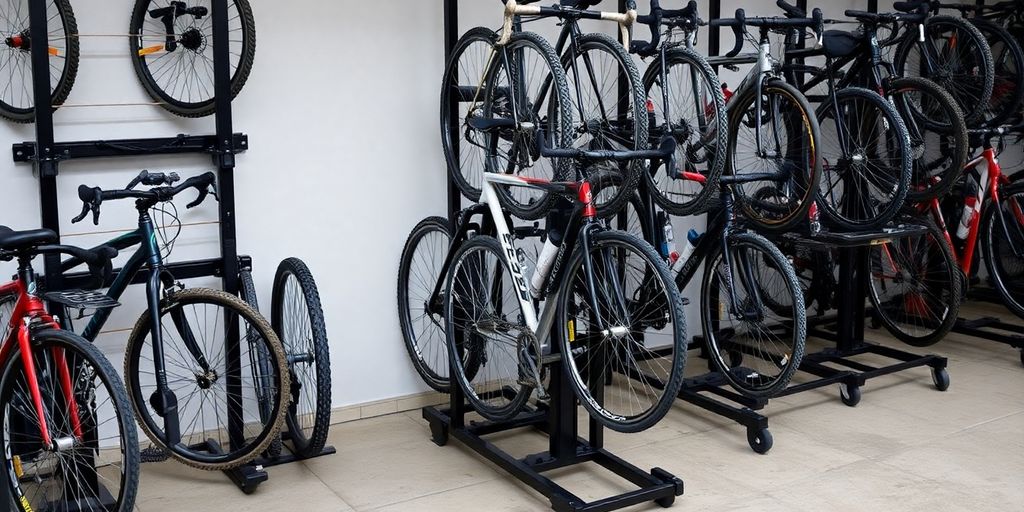
Indoor bike storage doesn’t have to be an eyesore. In fact, it can even add to your home’s decor! Wall-mounted racks are super popular because they get your bike off the floor. You can even find some really stylish ones that look like art. Ceiling racks are another great option, especially if you’re short on wall space.
Here are a few ideas:
- Wall-Mounted Racks: These can hold your bike horizontally or vertically. Vertical mounts are great for narrow spaces.
- Ceiling Hoists: Lift your bike up and out of the way. Perfect for garages or basements with high ceilings.
- Freestanding Bike Stands: A simple solution if you don’t want to drill into your walls. They can hold one or more bikes.
Outdoor Storage Options
If indoor storage isn’t an option, don’t worry! There are plenty of ways to safely and securely store your bike outdoors. The key is to protect it from the elements and prevent theft. A bike storage shed is a solid choice if you have the space.
Consider these:
- Bike Sheds: These offer great protection from weather and theft. Look for one with a lockable door.
- Bike Tents: A more affordable and portable option than a shed. They provide good weather protection.
- Outdoor Bike Covers: A simple way to protect your bike from rain, sun, and dust. Just make sure to secure it to prevent theft.
Outdoor bike storage can be tricky, but with the right setup, you can keep your bike safe and sound. Think about things like security, weather protection, and ease of access. A little planning goes a long way!
Vertical vs. Horizontal Storage
So, should you store your bike vertically or horizontally? It really depends on your space and preferences. Vertical storage is generally better for tight spaces because it takes up less floor area. Horizontal storage can be easier to access, but it requires more wall space.
Here’s a quick comparison:
| Feature | Vertical Storage | Horizontal Storage |
|---|---|---|
| Space Efficiency | Excellent for small spaces | Requires more wall space |
| Ease of Access | Can be slightly more difficult to lift/lower | Easier to lift and roll the bike |
| Aesthetics | Can look modern and minimalist | Can be more visually appealing in some setups |
Safety Tips for Bike Racks Storage & Transport
Securing Your Bike
Okay, so you’ve got your bike rack all set up. Awesome! But hold on a sec – making sure your bike is properly secured is super important. We’re talking about preventing damage to your bike, your car, and, most importantly, other people on the road.
Here’s a quick checklist:
- Double-check all straps or clamps. Are they tight? Like, really tight?
- Make sure your bike isn’t wobbling around. A little movement is normal, but excessive swaying is a no-no.
- If you’re using a hitch rack, confirm the hitch is properly connected and locked.
Preventing Damage During Transport
Alright, let’s talk about keeping your precious bike (and your car!) in tip-top shape during transport. It’s not just about strapping the bike on; it’s about doing it right.
- Padding is your friend. Use foam or soft cloths to protect your bike’s frame from rubbing against the rack. This is especially important for those fancy carbon frames!
- Remove anything that could fly off. Water bottles, lights, pumps – stash ’em in the car. Trust me, you don’t want to be that person causing a hazard on the highway.
- Consider the weather. If it’s raining or snowing, a bike cover can protect your bike from road grime and salt.
I remember this one time, I didn’t secure my front wheel properly, and it kept spinning the whole drive. Drove me nuts! Plus, it probably wasn’t great for the wheel bearings. Learn from my mistakes, people!
Best Practices for Long Trips
Planning a long road trip with your bikes? Sweet! But a few extra precautions can make all the difference between a smooth ride and a roadside disaster.
- Regularly inspect your rack and bikes. Pull over every couple of hours to check that everything is still secure. Vibrations can loosen things up over time.
- Be mindful of your vehicle’s height. Especially with roof racks, you’ll need to watch out for low bridges and parking garages. Nobody wants a crushed bike (or a damaged roof!).
- Plan your route. Avoid roads with excessive bumps or potholes if possible. Your bikes (and your back) will thank you. Consider using bungee cords for extra security.
Maintaining Your Bike Rack
Okay, so you’ve got your bike rack all set up. Awesome! But don’t just leave it to the elements and expect it to last forever. A little TLC goes a long way in keeping your rack in tip-top shape and ensuring your bikes arrive safely, trip after trip. Let’s dive into how to keep that rack happy and healthy.
Regular Inspections
Think of this as a quick health check for your bike rack. Before each use, give it a once-over. Look for:
- Loose bolts or screws: Tighten them up! A loose connection can lead to big problems down the road.
- Cracks or bends in the frame: These could indicate stress or damage. If you spot something serious, it’s time to consider a replacement.
- Worn straps or buckles: Straps are crucial for securing your bikes, so make sure they’re not frayed or damaged. Buckles should latch securely. If you notice any wear and tear, replace them ASAP.
- Rust or corrosion: Especially important if you live in an area with harsh weather. Rust can weaken the rack’s structure. Address it early to prevent further damage.
Cleaning and Care
Just like your bike, your rack needs a good cleaning every now and then. Road grime, salt, and dirt can all take a toll. Here’s the lowdown:
- Wash it down: Use soap and water to remove dirt and grime. A simple car wash soap works great.
- Rinse thoroughly: Make sure to get rid of all the soap residue.
- Dry it off: This helps prevent rust, especially on metal parts. A clean towel or even letting it air dry in the sun works well.
- Apply protectant: For metal racks, consider using a rust inhibitor. For plastic parts, a UV protectant can help prevent fading and cracking. Consider using reliable locks to keep your bike safe.
When to Replace Your Rack
Okay, this is the tough one. No one wants to admit it’s time for a new rack, but safety comes first. Here are some signs it’s time to say goodbye:
- Significant rust or corrosion: If the rust has eaten away at the metal and weakened the structure, it’s time.
- Major damage: Cracks, bends, or breaks in the frame are a no-go. Don’t risk your bikes (or your car!).
- Inability to secure bikes properly: If the straps are constantly failing or the locking mechanisms are broken, it’s not safe to use.
- Outdated design: Sometimes, newer racks have better safety features or are simply more compatible with modern bikes. It might be time for an upgrade to a new storage shed.
Regular maintenance is key to extending the life of your bike rack. By performing routine inspections, cleaning, and addressing issues promptly, you can ensure your rack remains a reliable and safe way to transport your bikes for years to come. Plus, a well-maintained rack just looks better, right?
Innovative Accessories for Bike Racks
Alright, so you’ve got your bike rack. Awesome! But did you know there’s a whole world of accessories out there that can make your life even easier and your bike even safer? Let’s check out some cool stuff.
Locking Mechanisms
Okay, first things first: security. You don’t want your precious bike disappearing, right? Most racks come with some kind of basic locking system, but upgrading is usually a good idea. Think about it – a determined thief can get through a flimsy lock pretty quickly.
- Cable locks are a good start, but they’re easy to cut.
- U-locks offer way better protection, especially if you loop them through the frame and a wheel.
- Hitch locks secure the rack itself to your vehicle, which is super important.
Investing in a high-quality locking system is a small price to pay for peace of mind. It’s like insurance for your bike – you hope you never need it, but you’ll be glad you have it if something happens.
Bike Covers
Ever driven through a rainstorm with your bike on the back? Yeah, not fun. A good bike cover can protect your ride from the elements – rain, snow, even just road grime. Plus, it keeps your bike out of sight, which can deter thieves. Look for covers made from durable, waterproof material that are easy to put on and take off. Some even have reflective strips for added visibility at night. Think of it as a raincoat for your bike!
Additional Storage Solutions
Sometimes, you need to carry more than just bikes. Maybe you’re going camping and need extra space for gear, or perhaps you want to bring along a cooler for post-ride refreshments. That’s where additional storage solutions come in handy.
- Cargo boxes that attach to your hitch rack are great for bulky items.
- Bike rack bags can hold smaller essentials like tools, spare tubes, and snacks.
- Adapters that let you carry different types of bikes (like kids’ bikes or bikes with funky frame shapes) are also super useful.
These accessories can really expand the functionality of your bike rack, making it a true multi-purpose tool for all your adventures. Don’t forget to consider indoor storage ideas to keep your bike safe when you’re not on the road. Happy riding!
Wrapping It Up
So there you have it! Choosing the right bike rack and storage solution doesn’t have to be a headache. Whether you’re looking for something to haul your bike to the trails or just need a way to keep it safe at home, there’s a perfect option out there for you. Just remember to think about your needs, your vehicle, and how many bikes you’ll be carrying. With the right setup, you’ll be ready to hit the road and enjoy those rides without a worry. Happy biking!
Frequently Asked Questions
What is a bike rack used for?
A bike rack is a tool that attaches to your car to carry bikes safely when you travel.
Why should I use a bike rack?
Using a bike rack helps keep your bike secure and protected while you’re on the road.
What are the different types of bike racks?
There are three main types: hitch-mounted racks, roof racks, and trunk racks.
How do I choose the right bike rack for my car?
Make sure the rack fits your car and can hold the weight of your bikes.
What are some good indoor bike storage ideas?
You can use wall-mounted racks or bike stands to save space indoors.
How can I keep my bike safe while using a rack?
Always lock your bike to the rack and check it regularly to prevent theft.