
Are you tired of your garden tools being scattered all over the place? A homemade garden tool holder can be a stylish and practical solution. Not only does it keep your tools organized, but it also adds a touch of personality to your outdoor space. In this guide, we’ll walk you through selecting materials, design ideas, and steps to build your own functional tool holder, all while making it uniquely yours.
Key Takeaways
- Choose durable materials like wood or recycled items for longevity.
- Explore various design ideas, from rustic to modern, to fit your style.
- Follow a clear step-by-step guide for building your tool holder.
- Personalize your holder with paint, hooks, and labels for better organization.
- Maximize space by utilizing vertical storage and multi-functional designs.
Choosing The Right Materials For Your Homemade Garden Tool Holder
Okay, so you’re ready to build a garden tool holder! Awesome! But before you grab just any old piece of wood, let’s talk materials. The right choice can make or break your project, both in terms of looks and how long it lasts. You want something that can handle the outdoor elements and won’t fall apart after a season or two, right?
Wood Options That Work Well
When it comes to wood, you’ve got a few solid choices. Cedar is a fantastic option because it’s naturally resistant to rot and insects. Plus, it looks great with that reddish hue! Redwood is another good one for similar reasons, but it can be a bit pricier. If you’re on a budget, pressure-treated lumber is the way to go. It’s chemically treated to resist decay, but make sure to wear gloves and a mask when cutting it, just to be safe. Pine is also an option, but it’s softer and will need a good sealant to protect it from the weather. Here’s a quick rundown:
- Cedar: Great rot resistance, beautiful color, pricier.
- Redwood: Similar to cedar, also pricier.
- Pressure-Treated: Budget-friendly, durable, requires safety precautions when cutting.
- Pine: Affordable, needs sealant, less durable.
Using Recycled Materials
Now, if you’re feeling eco-friendly (and who isn’t?), using recycled materials is a super cool way to go. Think about old pallets – they can be disassembled and repurposed into a rustic tool holder. Just make sure the wood is in good condition and hasn’t been treated with anything nasty. Reclaimed barn wood is another awesome option, giving your holder a unique, weathered look. Plus, you’re keeping stuff out of the landfill, which is always a win! You can even use old bamboo racks for a lighter-duty solution.
Durability Considerations
Okay, let’s get real about durability. Your garden tools aren’t exactly lightweights, and they’ll be putting some stress on your holder. So, you need to think about how strong your materials are. For wood, thicker is generally better. Also, consider the joinery – how you’re putting everything together. Screws and bolts will hold up better than nails in the long run. And don’t forget about the finish! A good sealant or paint job will protect your wood from moisture and UV damage, extending its life considerably.
Choosing the right materials is the first step to creating a garden tool holder that’s not only functional but also a lasting addition to your outdoor space. Take your time, consider your options, and have fun with it!
Design Ideas To Inspire Your Garden Tool Holder
Alright, let’s get those creative juices flowing! When it comes to designing your garden tool holder, the sky’s the limit. Think about what style best complements your outdoor space and what will be most functional for your needs. Don’t be afraid to mix and match ideas to create something truly unique.
Rustic Wooden Racks
For a classic, charming look, you can’t beat a rustic wooden rack. These racks often feature reclaimed wood, giving them a weathered and authentic feel. Consider using old barn wood or pallets for a truly rustic vibe. You can customize the size and shape to fit your specific tools. A simple design might involve horizontal planks with evenly spaced nails or hooks for hanging tools. For a more elaborate design, think about adding shelves for smaller items like gloves or seed packets.
Modern Vertical Holders
If you’re aiming for a sleek and contemporary look, a modern vertical holder is the way to go. These holders are great for saving space and keeping your tools organized in a visually appealing way. You could use metal or treated wood for a clean, minimalist design. Think about incorporating geometric shapes or clean lines for a modern touch. A vertical tool rack can be as simple as a board with evenly spaced holes for tool handles or a more complex system with individual slots for each tool.
Creative Wall-Mounted Solutions
Wall-mounted solutions are fantastic for maximizing space, especially in smaller gardens or sheds. Get creative with how you attach your tool holder to the wall. You could use repurposed materials like old doors or shutters as a base. Another idea is to create a pegboard system that allows you to easily rearrange your tools as needed. Don’t forget to consider the weight of your tools when designing your wall-mounted holder to ensure it’s sturdy and secure. You can even build a gardening station!
Step-By-Step Guide To Building Your Tool Holder
Gathering Your Tools
Alright, let’s get started! First things first, you’ll need to gather all your tools. Nothing’s worse than getting halfway through a project and realizing you’re missing something. Here’s a quick checklist to make sure you’re all set:
- Measuring tape
- Saw (hand saw or circular saw, whatever you’re comfortable with)
- Drill with various drill bits
- Screws or nails (depending on your preference)
- Sandpaper
- Pencil
- Safety glasses (seriously, don’t skip these!)
Having everything ready before you start not only saves time but also makes the whole process way less stressful. Trust me, a little prep goes a long way.
Measuring And Cutting Materials
Okay, now for the slightly more involved part: measuring and cutting. Accuracy is key here, so take your time and double-check everything. Start by measuring the space where you plan to put your tool holder. This will help you determine the overall dimensions. Next, decide on the size and number of compartments or slots you want for your tools.
Here’s a basic example for a simple rack:
| Piece | Dimension (inches) | Quantity |
|---|---|---|
| Back Support | 48 x 6 | 1 |
| Bottom Support | 24 x 4 | 1 |
| Side Supports | 6 x 4 | 2 |
Once you have your measurements, carefully cut the wood pieces to size. Remember, it’s always better to cut a little long and then trim down if needed. A clean, straight cut will make the assembly process much smoother. If you’re using a power saw, make sure to use appropriate safety measures. Consider using a stock tank for easy storage.
Assembling The Holder
Time to put it all together! Start by attaching the bottom support to the back support. Use screws or nails, making sure they’re evenly spaced and securely fastened. Next, attach the side supports, ensuring they’re flush with the bottom and back. If you’re adding any additional shelves or compartments, now’s the time to attach them. Sand down any rough edges or splinters to prevent injuries. And there you have it – a functional and stylish homemade garden tool holder! Remember to test the tool holder’s stability before loading it up with your tools.
Personalizing Your Homemade Garden Tool Holder
Okay, so you’ve built your garden tool holder – awesome! Now comes the really fun part: making it yours. Let’s get into some ways to personalize it so it not only holds your tools but also adds some character to your outdoor space. It’s all about those little touches that make a big difference.
Painting And Finishing Touches
Let’s talk paint! A fresh coat of paint can completely transform your tool holder. Think about the overall aesthetic of your garden. Do you want something that blends in, or a pop of color that stands out?
- Color Choices: Earthy tones like greens and browns can help it blend seamlessly. Bright colors like blues, reds, or yellows can add a playful touch. I personally love a good teal!
- Paint Types: Make sure you’re using exterior paint that can withstand the elements. Nobody wants a peeling tool holder after one season. Look for paints that are mold and mildew resistant, too.
- Finishing: Consider adding a sealant or varnish after painting to protect the wood and give it a nice sheen. This will also make it easier to clean.
Adding Hooks And Compartments
Functionality meets personality here! Adding extra hooks and compartments can seriously up your tool holder game. It’s all about customizing it to fit your specific needs.
- Hooks: Install hooks of various sizes to hold everything from small hand trowels to larger items like pruning shears. Think about the weight each hook needs to hold.
- Compartments: Add small shelves or boxes to hold things like gloves, seed packets, or even a little notebook for jotting down garden notes. I found some cute little wooden boxes at a craft store that worked perfectly.
- Placement: Play around with the placement of hooks and compartments before you commit. Hold your tools up to the holder and see what feels most natural and accessible. Consider the garden layout when deciding where to place everything.
Incorporating Labels For Organization
Okay, this might sound a little Type-A, but trust me, labels are a game-changer. Not only do they look nice, but they also make it super easy to find what you need, when you need it. Plus, it helps keep everything organized, which is always a win.
- Label Maker: A simple label maker is your best friend here. You can use it to create clear, easy-to-read labels for each hook or compartment.
- Chalkboard Paint: Paint a small section of your tool holder with chalkboard paint and use chalk to label each area. This is great because you can easily change the labels as needed.
- Stencils: Use stencils and paint to create more permanent labels. This can add a really nice, professional touch.
I used some old metal tags that I found at a flea market and attached them with twine. It gives my tool holder a cool, vintage vibe. Get creative and use whatever materials you have on hand! It’s all about making it your own.
Maximizing Space With Your Tool Holder
Okay, so you’ve built your awesome garden tool holder. Now, let’s make sure it’s not just another thing taking up space! We want it to actually help you declutter and organize your outdoor area. Here’s how to get the most out of your new creation.
Utilizing Vertical Space
Think up, not out! Vertical space is your best friend when it comes to tool storage. Instead of spreading tools all over the shed or garage floor, use the height available to you.
- Tall, narrow holders are great for long-handled tools like shovels and rakes.
- Wall-mounted racks can keep smaller tools off the ground and within easy reach.
- Consider adding shelves above or below the tool slots for extra storage.
Creating Multi-Functional Designs
Why settle for a tool holder that only holds tools? Let’s get creative and make it do double duty!
- Incorporate a small potting bench into the design. This gives you a surface for planting and transplanting, right where your tools are.
- Add a shelf for storing gloves, seed packets, and other gardening essentials.
- Include a built-in hose hanger to keep your hose neatly coiled and out of the way.
Incorporating Storage Bins
Loose items like small hand tools, twine, plant labels, and fertilizer can easily get lost in the shuffle. Storage bins are the perfect solution for keeping these things organized and contained. You can easily mount tool holders with some bins.
- Attach small bins or baskets to the sides of your tool holder for easy access to frequently used items.
- Use larger bins to store soil, mulch, or other bulky materials.
- Label each bin clearly so you know exactly what’s inside.
By thinking strategically about how you use your space, you can create a tool holder that not only keeps your tools organized but also enhances the functionality of your entire gardening area. It’s all about making the most of what you have!
Maintaining Your Garden Tool Holder
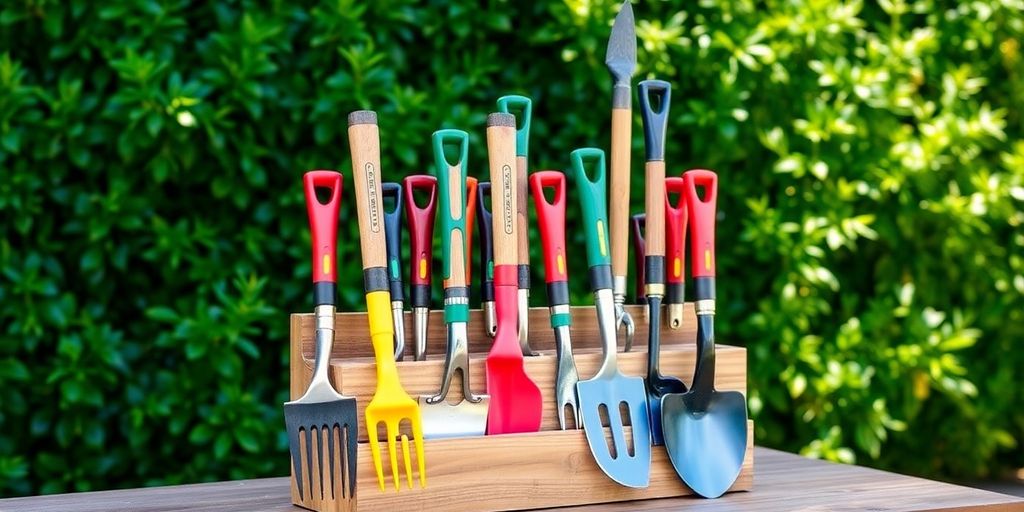
Okay, so you’ve built this awesome garden tool holder, and it looks fantastic! But like anything exposed to the elements, it’s gonna need a little TLC to keep it in tip-top shape. Don’t worry, it’s not a huge deal, and a little maintenance now will save you from major repairs later. Let’s dive in!
Regular Cleaning Tips
Think of this as a quick tidy-up after each gardening session. A little effort goes a long way!
- Brush off any loose dirt or debris. A stiff brush works wonders.
- Wipe down the surfaces with a damp cloth. You can add a bit of mild soap if needed.
- Check for any signs of mold or mildew, especially in damp climates. A diluted bleach solution can help tackle this.
Weatherproofing Techniques
If your tool holder is outside, it’s going to face rain, sun, and maybe even snow. Here’s how to protect it:
- Apply a sealant or stain with weather-resistant properties. This is especially important for wooden holders.
- Consider a cover during harsh weather. A simple tarp can do the trick.
- Check for any cracks or gaps where water can seep in. Caulk or wood filler can seal these up.
Repairing Wear And Tear
Stuff happens, right? Here’s how to deal with common issues:
- Tighten any loose screws or bolts. A wobbly holder isn’t a happy holder.
- Replace any damaged or broken parts. Don’t let a small issue turn into a big one.
- Sand down any rough spots or splinters. Safety first!
A little bit of care will keep your tool holder looking great and functioning perfectly for years to come. Think of it as an investment in your gardening happiness!
Creative Ways To Repurpose Old Items
Let’s get resourceful! Instead of buying new, why not give some old items a new lease on life as part of your garden tool storage? It’s a fun way to save money, be eco-friendly, and add a unique touch to your outdoor space. Plus, you might be surprised at how stylish and functional these repurposed solutions can be.
Using Old Ladders
Got an old wooden ladder lying around? Perfect! An old ladder can be transformed into a rustic tool rack by simply leaning it against a wall and attaching hooks to the rungs. You can hang smaller tools like trowels, hand forks, and even gloves. For added stability, secure the ladder to the wall with brackets. It’s a charming and practical way to keep your tools organized and within easy reach. Plus, it adds a touch of vintage flair to your garden. You can even paint the ladder to match your garden’s color scheme.
Transforming Pallets Into Tool Holders
Pallets are like the ultimate DIY material, and they’re fantastic for creating garden tool holders. You can disassemble a pallet and use the wood to build a wall-mounted rack with slots for your tools. Or, keep the pallet intact and simply add hooks and shelves. Pallets offer a rustic, industrial look that can really complement a garden setting. Just make sure to sand down any rough edges and treat the wood to protect it from the elements. For a simple project, consider:
- Disassembling the pallet.
- Cutting the wood into desired lengths.
- Assembling a basic frame with shelves.
Upcycling Containers For Storage
Don’t toss those old containers! From tin cans to plastic buckets, they can all be repurposed for garden tool storage. Tin cans are great for holding small items like seeds, twine, or plant markers. Plastic buckets can be used to store larger tools like shovels or rakes. Get creative with decorating them – paint them, add labels, or even decoupage them with pretty paper. It’s a simple and effective way to keep your tools organized and add a pop of color to your garden. Consider using weatherproof storage containers to protect your tools from the elements.
Repurposing old items is not only a cost-effective solution but also a fantastic way to reduce waste and add character to your garden. It’s all about looking at everyday objects with a fresh perspective and seeing their potential for a new life.
Wrap-Up: Your Garden Tool Holder Awaits!
So there you have it! Building a garden tool holder can be both fun and practical. With just a few materials and a little creativity, you can whip up a stylish storage solution that keeps your tools organized and ready for action. Whether you go for a simple wooden rack, repurpose some old items, or even create a mobile caddy, the options are endless. Plus, it’s a great way to add a personal touch to your outdoor space. So grab those tools, get to work, and enjoy the satisfaction of a tidy garden area. Happy gardening!
Frequently Asked Questions
What materials should I use for a garden tool holder?
You can use wood, recycled materials, or even metal. Choose materials that are durable and can withstand outdoor conditions.
How can I make my garden tool holder look nice?
You can paint it in bright colors, add decorations, or use interesting designs. Personalizing it makes it more stylish.
What are some creative designs for a tool holder?
Consider a rustic wooden rack, a modern vertical holder, or a wall-mounted option. Each design can fit different spaces.
How do I build a simple garden tool holder?
Start by gathering your materials, measure and cut them to size, and then assemble the parts together. It’s easier than it sounds!
How can I keep my garden tool holder organized?
Use hooks, compartments, and labels to keep everything in its place. This way, you can find what you need quickly.
What should I do to maintain my garden tool holder?
Regularly clean it, check for any damage, and consider weatherproofing it to protect against rain and sun.