
Creating your own DIY freestanding vertical bike rack can be a fun project that not only saves space but also keeps your bikes organized and easy to access. Whether you’re a DIY pro or just looking to try something new, this guide will help you through every step of the process. From gathering your materials to putting on the finishing touches, you’ll have a custom bike storage solution in no time.
Key Takeaways
- Building a bike rack yourself can save you money and space.
- You can personalize the design to fit your home and style.
- Make sure to gather all your materials and tools before starting.
- Follow the instructions carefully for a sturdy and safe rack.
- Regular maintenance will keep your bike rack in good shape.
Gathering Your Materials and Tools
Alright, let’s get ready to build! Before we start hammering and screwing, we need to make sure we have everything on hand. Nothing’s worse than getting halfway through a project and realizing you’re missing a key component. So, let’s gather our materials and tools. It’s like prepping for a cooking show, but instead of a delicious meal, we’re building a super-cool bike rack!
Essential Materials for Your Bike Rack
Okay, so what do we actually need to build this thing? Here’s a list to get you started. Feel free to adjust based on your design and the number of bikes you want to store. Remember, this is your DIY project, so make it your own!
- Wood: 2×4 lumber is a great choice. Three 8-foot pieces should do the trick for a basic rack. You can find affordable supplies at most hardware stores.
- Screws: You’ll need a good supply of these. I recommend screws that are at least 2 1/2 inches long for good holding power.
- Pipe: A 1-1/4 inch diameter pipe works well for holding the bikes. A ten-foot section should be enough.
Pro Tip: If your rack will be indoors, you can save some money by using untreated wood. Just be sure to sand it well to avoid splinters!
Tools You’ll Need for the Job
Having the right tools makes all the difference. It’s like having the right ingredients for a recipe – you can’t bake a cake without flour, right? Here’s what I recommend:
- Saw: A circular saw or miter saw will make cutting the wood much easier, but a hand saw will work too. Just be prepared for a bit more elbow grease.
- Drill: Essential for screwing everything together. Make sure you have a variety of drill bits.
- Measuring Tape: Accuracy is key! A good tape measure will ensure your cuts are spot on. This is important for accurate measurements.
- Driver Bits: Specifically for the screws you choose. Torx heads are a solid choice for this project.
Safety Gear to Keep You Protected
Safety first, always! We want to build a bike rack, not visit the emergency room. Here’s what you should have on hand:
- Safety Glasses: Protect your eyes from flying debris when cutting and drilling.
- Work Gloves: These will protect your hands from splinters and rough edges.
- Dust Mask: Especially important when sanding wood. You don’t want to be breathing in sawdust.
Planning and Preparation for Your Project
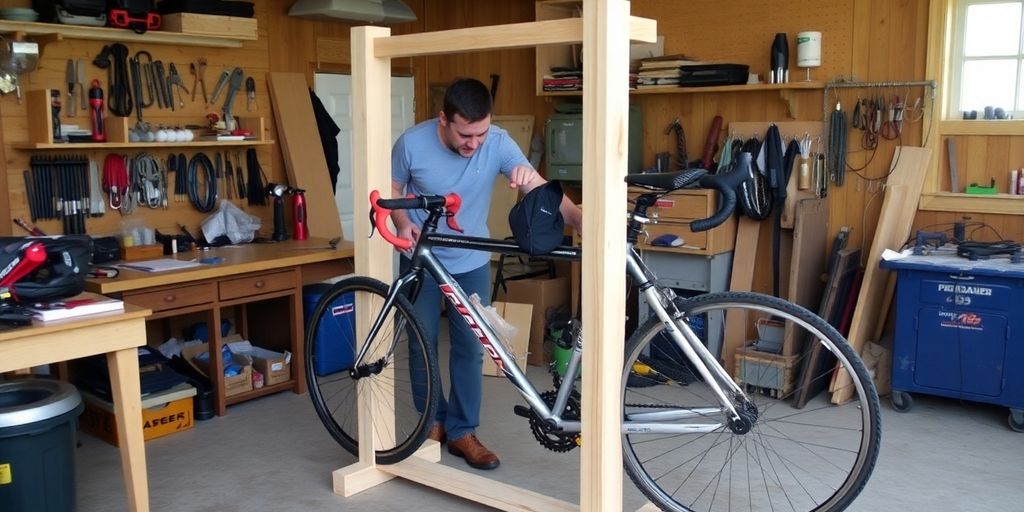
Alright, before we even think about picking up a saw, let’s get our ducks in a row. A little planning goes a long way, trust me. It’s like prepping ingredients before you start cooking – makes the whole process smoother and way less stressful. We’re talking about making sure this DIY freestanding vertical bike rack actually fits your space and your bikes, and that you don’t end up spending a fortune on materials. Let’s dive in!
Measuring Your Space
First things first, grab that measuring tape! You need to know exactly how much room you’re working with. Consider the height, width, and depth of the area where you plan to put your bike rack. Don’t just eyeball it – accurate measurements are key. Think about how much space you need to comfortably maneuver your bikes in and out of the rack. Also, make sure to account for any obstructions like doors, windows, or other furniture. Knowing your space inside and out will help you avoid headaches later. If you’re planning to store your bikes in a shed, consider a shed bike mount.
Designing Your Bike Rack
Now for the fun part – designing your rack! This doesn’t have to be super complicated. A simple sketch on paper will do. Think about how many bikes you need to store, the type of bikes (mountain, road, etc.), and how you want them oriented. Consider the spacing between bikes to prevent them from bumping into each other. Do you want a super minimal design, or something with extra features like a shelf for helmets and accessories? There are tons of inspiration online, so take a look around and see what catches your eye. Remember, this is your rack, so make it your own!
Setting a Budget for Materials
Okay, let’s talk money. DIY doesn’t always mean cheap, but it can be if you plan carefully. Before you head to the hardware store, set a budget for all the materials you’ll need. Lumber prices can vary, so do some research and compare costs at different stores. Consider using reclaimed wood or other affordable alternatives to save some cash. Make a list of everything you need – wood, screws, nails, paint, etc. – and estimate the cost of each item. Don’t forget to factor in tax! Sticking to a budget will help you avoid overspending and keep this project affordable. Consider a garden tool organizer to keep your tools in order.
Building the Base of Your Bike Rack
Choosing the Right Wood
Okay, let’s talk wood! For the base, you’ll want something sturdy. Think 2x4s or even 2x6s if you’re feeling ambitious. Pressure-treated wood is a solid choice if your rack will live outdoors, protecting it from the elements. Redwood or cedar are naturally weather-resistant and look great too. Just make sure whatever you pick is straight and free of major knots. Nobody wants a wobbly base! Also, consider the overall look you’re going for. Do you want something rustic or more refined? Your wood choice can really influence the final aesthetic. Don’t forget to check out some DIY bike storage solutions for inspiration.
Cutting and Assembling the Base
Alright, time to get cutting! Measure twice, cut once – you know the drill. A circular saw or miter saw will make quick work of this. You’ll need to cut the pieces for the frame of your base. A simple rectangle usually does the trick, but feel free to get creative. Once you’ve got your pieces, it’s assembly time. Use wood screws (around 3 inches should do it) and a drill to secure the corners. Make sure everything is square! A speed square is your best friend here. Pre-drilling pilot holes can prevent the wood from splitting, especially if you’re using hardwoods. This step is where your bike rack starts to take shape, so take your time and enjoy the process.
Ensuring Stability and Support
Stability is absolutely key for your bike rack. You don’t want it tipping over with your precious bikes! One trick is to add diagonal braces to the corners of the base. Cut these at a 45-degree angle and attach them with screws. Another thing to consider is the width of the base. A wider base will naturally be more stable. If you’re parking your rack on an uneven surface, adjustable feet can be a lifesaver. You can buy these at most hardware stores. And hey, if you’re really worried about stability, you could always add some weight to the base. Sandbags or concrete blocks work well.
Building a solid base is like laying the foundation for a house. If it’s not strong, the whole thing will be shaky. So, take your time, double-check your measurements, and make sure everything is securely fastened. Your bikes will thank you for it!
Adding Vertical Supports for Stability
Alright, let’s get those vertical supports in place! This is where your bike rack really starts to take shape. We’re aiming for a sturdy structure that can handle your bikes without any wobbling. It’s easier than you think, so let’s jump right in!
Measuring and Cutting Vertical Pieces
First up, measure the height you want your vertical supports to be. Remember to consider the height of your tallest bike! You don’t want any surprises later. Once you have that measurement, grab your saw and cut those pieces. A miter saw makes nice, clean cuts, but any saw will do. If you’re feeling fancy, you could even add a little angle to the top for some extra style.
Attaching the Supports Securely
Now, let’s attach those vertical supports to the base. Line them up carefully, making sure they’re evenly spaced. Use a level to ensure they’re perfectly vertical – nobody wants a leaning bike rack! Pre-drilling holes will help prevent the wood from splitting, which is always a good idea. Secure each support with screws. For added security, consider using wood glue in addition to the screws. If you’re thinking about adding wheels later, make sure you leave enough room at the bottom.
Tips for Extra Stability
Okay, let’s talk about making this thing rock-solid. A wobbly bike rack is no good! Here are a few tricks to boost stability:
- Add diagonal braces. These are pieces of wood that run from the base to the vertical supports at an angle. They add a ton of strength.
- Widen the base. A wider base is naturally more stable. If you’re worried about tipping, consider making the base a bit wider than you originally planned.
- Use thicker wood. Thicker wood is stronger and less likely to flex. If you have some thicker lumber lying around, now’s the time to use it.
Building a bike rack is all about combining functionality with a bit of creativity. Once those vertical supports are in place, you’ll see your project really coming together. Don’t be afraid to experiment and make it your own!
If you want to easily secure your bike, consider using the monTEK Swivel Hanger.
Finishing Touches and Customization
Alright, you’ve built the bones of your bike rack! Now comes the fun part: making it yours. Let’s get into how to add those personal touches that’ll make your DIY project stand out.
Painting or Staining Your Rack
Okay, so you’ve got a bare wood bike rack. Time to give it some personality! You could go bold with a bright color that pops, or maybe a classic stain to bring out the natural wood grain. If you’re painting, don’t skip the primer—it’ll make the color last way longer. And remember, thin coats are your friend. Patience is key here; let each layer dry completely before adding another. Trust me, it’s worth it.
Adding Accessories for Functionality
Think about what would make your life easier. Hooks for helmets? A small basket for bike locks or gloves? Maybe even a little shelf for water bottles. Get creative! I found some cool metal hooks at the hardware store that were super easy to screw in. You could even add some bungee cords to secure the bikes even more. It’s all about making the rack work for your needs.
Personalizing Your Bike Rack
This is where you can really let your personality shine. Stencils? Decals? Maybe even some cool rope lighting? I saw someone once who used old license plates to decorate their bike rack, which was pretty awesome. You could also get the kids involved and let them paint some designs on it. It’s a fun way to make it a family project and add some unique flair. Don’t be afraid to experiment and have fun with it!
Remember, this is your bike rack. Make it something you’re proud to show off. A little bit of effort here can turn a functional item into a real statement piece. Plus, it’s just plain fun to get creative and make something truly unique.
Organizing Your Bikes Efficiently
Alright, you’ve got your DIY bike rack built! Now comes the fun part: actually getting those bikes organized. It’s not just about shoving them on there; it’s about making your life easier. Let’s dive into how to make the most of your new creation.
Strategic Bike Placement
Think about which bikes get used the most. Those should be the easiest to grab. No one wants to wrestle with three other bikes just to get their daily rider out. If you have kids, put their bikes lower so they can reach them without needing your help. Consider the weight of the bikes too; heavier ones might be better lower down for stability. For smaller spaces, a velo column might be a better fit.
Creating a System for Easy Access
Think about how you naturally grab your bike. Do you need space to maneuver it out? Is there enough room to walk past when bikes are racked? A little planning here can save you a lot of frustration later. Maybe stagger the bikes slightly if space is tight, or consider the direction the handlebars are facing to minimize bumping.
Labeling for Family Use
If multiple people are using the rack, labeling is a game-changer. Simple tags with names or even pictures can help everyone remember where their bike goes. This is especially helpful for kids (and let’s be honest, sometimes adults too!). You can even color-code the labels to match helmets or other gear. It’s a small thing that can make a big difference in keeping things tidy.
A good system will not only keep your bikes organized but also encourage everyone to put them back where they belong. It’s about creating a habit of order, so your garage or storage area stays functional and clutter-free. Plus, it makes grabbing your bike for a ride that much easier and more enjoyable!
Maintaining Your DIY Freestanding Vertical Bike Rack
Regular Maintenance Tips
Okay, so you’ve built this awesome bike rack, right? Now, let’s keep it in tip-top shape! Regular maintenance is key to ensuring your bike rack lasts for years. Here’s a few things I do:
- Give it a once-over every month or so. Look for loose screws or any signs of wear and tear. A quick check can prevent bigger problems down the road.
- If you painted or stained it, check for chips or fading. A little touch-up paint can keep it looking fresh.
- For wooden racks, consider applying a sealant every year to protect it from moisture, especially if it’s in a garage or shed that’s not climate-controlled.
Inspecting for Wear and Tear
Things break down over time, it’s just a fact. So, keep an eye out for these common issues:
- Check the joints and connections. Are the screws still tight? Is the wood still solid? If anything feels loose, tighten it up or replace it.
- Look for signs of rust on any metal parts. A little rust can turn into a big problem if you don’t catch it early. Use a wire brush to remove rust and apply a rust-resistant paint.
- Inspect the areas where the bikes make contact with the rack. Over time, the finish can wear away, potentially scratching your bikes. Adding some padding or rubber coated hooks can help prevent this.
Keeping It Clean and Functional
Let’s be real, a dirty bike rack isn’t doing anyone any favors. Plus, keeping it clean helps it last longer. Here’s how I keep mine clean and working great:
- Wipe it down regularly with a damp cloth to remove dust and dirt. A clean rack is a happy rack!
- If you live in a humid area, consider using a dehumidifier in your garage or shed to prevent moisture buildup. This will help prevent rust and wood rot.
- Make sure the area around the rack is clear of clutter. You want to be able to easily access your bikes without tripping over anything. I also like to keep a small container of bike tools nearby for quick adjustments. This helps with easy access to my bikes.
A little effort goes a long way in keeping your DIY bike rack functional and looking great. Plus, knowing you built and maintained it yourself? That’s a pretty awesome feeling.
Wrapping It Up
So there you have it! You’ve just built your own freestanding vertical bike rack, and it’s pretty awesome, right? Not only did you save some cash, but you also got to flex those DIY muscles. Now your bikes are organized and ready to roll whenever you are. Remember, keeping it tidy and doing a little maintenance will go a long way in making sure your rack lasts. Plus, it’s a great conversation starter when friends come over. So, go ahead and show off your handiwork! Happy biking!
Frequently Asked Questions
What materials do I need to build a bike rack?
You’ll need 2×4 lumber, screws, wood glue, and optionally paint or stain for finishing.
How much space do I need for the bike rack?
Measure the area where you plan to place the bike rack, ensuring there’s enough room for the bikes and easy access.
Can I customize my bike rack design?
Yes! You can change the height, width, and style of the bike rack to fit your space and needs.
Is it difficult to build a bike rack?
Not at all! With basic tools and following the steps, anyone can build a bike rack.
How do I maintain my bike rack?
Regularly check for any loose screws, clean it to prevent rust, and touch up any paint as needed.
Can I use recycled materials for my bike rack?
Absolutely! Using recycled wood or materials can be a great way to save money and be eco-friendly.