
Keeping your shed organized can make your life easier and your outdoor space more enjoyable. Whether you have a small garden shed or a large storage building, the right strategies can help you maximize space and keep everything in order. This article will provide essential tips for choosing the right shed, using vertical and floor space effectively, and maintaining a clean and organized shed.
Key Takeaways
- Choose a shed that fits your storage needs and budget, considering durability and material quality.
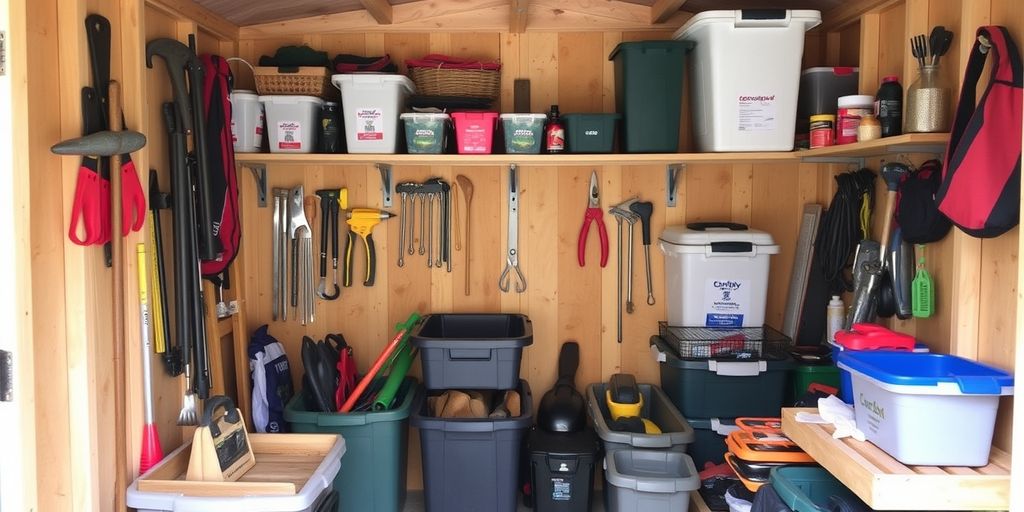
- Use vertical space by installing shelves, racks, and pegboards to keep tools and items off the floor.
- Maximize floor space with stackable bins, designated zones for different items, and rolling carts.
- Optimize shed doors for storage by adding hanging organizers, magnetic strips, and door-mounted shelves.
- Maintain an organized shed with regular cleaning, seasonal maintenance, and effective pest control measures.
Choosing the Right Shed for Your Needs
Assessing Your Storage Requirements
Start by taking an inventory of all the items you plan to store in your shed. Group these items into categories like tools, sports equipment, gardening supplies, and holiday decorations. This will give you a clearer understanding of the kinds of storage you need. For example, tools may require hooks for hanging, while sports equipment might need larger bins or racks.
Considering Shed Materials and Durability
When choosing a shed, it’s important to think about the materials. Wooden sheds offer a classic look but may need more maintenance. Metal sheds are durable and require less upkeep, while plastic sheds are lightweight and easy to assemble. Each material has its pros and cons, so consider what works best for your climate and needs.
Balancing Budget and Quality
Finding the right balance between budget and quality is crucial. While it might be tempting to go for the cheapest option, investing a bit more can provide better durability and features. Think about the long-term benefits and how a slightly higher investment now can save you money and hassle in the future.
Remember, a well-chosen shed can make your storage solutions more effective and your outdoor space more organized.
Effective Use of Vertical Space
Maximizing vertical space in your shed can make a huge difference in how organized and spacious it feels. Here are some smart solutions to help you utilize every inch of your shed’s height effectively.
Maximizing Floor Space
Utilizing Stackable Storage Bins
Stackable storage bins are a game-changer for keeping your shed organized. By stacking bins, you can make the most of your vertical space while keeping the floor clear. Label each bin so you can easily find what you need without digging through piles of stuff. This method is especially useful for storing seasonal items or tools you don’t use every day.
Creating Zones for Different Items
Creating specific zones in your shed can help you stay organized and make it easier to find things. For example, designate one area for gardening tools, another for sports equipment, and a third for holiday decorations. This way, everything has a place, and you won’t waste time searching for items. Use shelves, hooks, and bins to keep each zone tidy.
Incorporating Rolling Carts
Rolling carts are perfect for maximizing floor space because they can be easily moved around. Use them to store items you need to access frequently, like gardening supplies or small tools. When you’re done, simply roll the cart out of the way. This flexibility allows you to keep your shed organized and makes it easier to clean the floor.
Remember, the key to a well-organized shed is to make use of every inch of space. By using stackable bins, creating zones, and incorporating rolling carts, you can keep your shed tidy and functional.
Optimizing Shed Doors for Storage
Hanging Organizers on Doors
Shed doors are not just for entry; they can be a strategic storage space. By hanging organizers on the doors, you can store small tools, gardening supplies, or even cleaning products. This method helps to free up floor space and keeps frequently used items within easy reach.
Using Magnetic Strips for Small Tools
Magnetic strips are a fantastic way to keep small metal tools organized. Attach a magnetic strip to the inside of your shed door to hold items like screwdrivers, wrenches, and pliers. This not only keeps your tools visible but also makes them easily accessible.
Installing Door-Mounted Shelves
Adding shelves to the inside of your shed doors can significantly increase your storage capacity. These shelves are perfect for holding paint cans, small containers, or other lightweight items. Make sure the shelves are securely fastened to handle the weight of the items you plan to store.
Optimizing your shed doors for storage is a simple yet effective way to maximize space and functionality. By utilizing the vertical space on your doors, you can keep your shed organized and clutter-free.
Creating a Functional Workbench Area
Choosing the Right Workbench
When setting up a workbench in your shed, it’s crucial to pick one that fits your needs. It must be the right height and sturdy enough for all your projects. Look for a workbench that can handle prying, hammering, and other tough tasks. A good workbench should also be repairable in case of damage and affordable enough to allow for ample workspace.
Incorporating Storage Under the Workbench
Maximize your workbench area by adding storage underneath. You can use shelves, drawers, or even rolling carts to keep your tools and materials organized. This not only saves space but also keeps your work area tidy and efficient.
Adding a Pegboard Above the Workbench
A pegboard above your workbench is a game-changer for organization. It allows you to hang tools and supplies within easy reach, freeing up valuable workspace. Pegboards are versatile and can be customized with hooks, small shelves, and baskets to suit your needs.
A well-organized workbench area can significantly boost your productivity and make your shed a more enjoyable place to work.
Utilizing Overhead Space
Don’t forget to make use of the valuable overhead space in your shed. This often-overlooked area can be a game-changer for maximizing storage. By using the ceiling for storage, you can free up floor space for larger items or simply create more walking room.
Maintaining an Organized Shed
Regular Cleaning and Decluttering
Keeping your shed tidy requires regular cleaning and decluttering. Set aside time each season to sort through items and remove anything you no longer need. Returning items to their designated spots after each use can make a big difference in maintaining order. Regularly sweep the floors and wipe down surfaces to keep dust and dirt at bay.
Seasonal Maintenance Tips
Each season brings its own set of challenges. In the spring, check for any damage caused by winter weather and make necessary repairs. Summer is a great time to reorganize and ensure everything is in its place. In the fall, prepare your shed for winter by storing summer items and bringing out winter tools. Winter is the perfect time to do a deep clean and plan for the upcoming year.
Pest Control Measures
Pests can wreak havoc on your shed and its contents. Regularly inspect for signs of pests like rodents, insects, and spiders. Seal any cracks or gaps where pests might enter. Use pest repellents or traps as needed. Keeping your shed clean and dry will also help deter pests from making it their home.
An organized shed not only makes it easier to find and access your tools and supplies but also enhances your backyard’s overall functionality and aesthetics.
By following these tips, you can keep your shed in top shape and enjoy a clutter-free, efficient space all year round.
Personalizing Your Shed Storage
Customizing Shelving and Cabinets
Unlock the potential of your shed by building custom cabinets. These can be designed to fit unusual spaces or under existing workbenches, maximizing every inch of your shed. Custom drawers provide a secure and hidden storage solution for tools and accessories. By constructing a custom drawer unit, you gain the ability to design it to your exact specifications, ensuring it fits perfectly in your desired location.
Adding Decorative Elements
Transform your shed into a cozy and inviting space by adding decorative elements. Consider painting the walls in bright colors or adding some artwork. Repurposing items like wooden crates can add a rustic charm while providing practical storage. Empty jars are ideal for organizing small hardware like nails, screws, and bolts. Label them and place them on shelves or inside cabinets for easy access and visibility.
Incorporating Lighting Solutions
Good lighting can make a huge difference in your shed. Install energy-efficient LED lights to brighten up the space. Adding windows or skylights can also bring in natural light, making it easier to find what you need. For a more personalized touch, consider string lights or lanterns to create a warm and welcoming atmosphere.
Personalizing your shed storage not only makes it more functional but also turns it into a space you’ll enjoy spending time in. Whether you’re working on a project or just organizing your tools, a well-designed shed can make all the difference.
Safety and Security Tips
Installing Secure Locks
One of the first steps to ensure your shed is safe is to install secure locks. A good lock can deter potential thieves and keep your belongings safe. Consider using a padlock with a hardened steel shackle or a combination lock for added security. Don’t forget to lock up every time you leave the shed!
Using Fire-Resistant Materials
When building or upgrading your shed, think about using fire-resistant materials. This can help protect your shed and its contents from accidental fires. Materials like metal or specially treated wood can be great options. Also, keep a fire extinguisher handy in your shed for emergencies.
Ensuring Proper Ventilation
Proper ventilation is crucial for maintaining a safe shed environment. Good airflow helps prevent the buildup of harmful fumes from chemicals or gasoline. It also reduces moisture, which can lead to mold and mildew. Make sure your shed has vents or windows that can be opened to allow fresh air in.
Regularly check your shed for any signs of damage or wear and tear. This can help you catch potential safety issues early and keep your shed in top condition.
Remember, important documents like social security cards, passports, and birth and marriage certificates should be stored in a waterproof and fireproof safe. Keeping this in mind can save you a lot of trouble in case of an emergency.
Eco-Friendly Storage Solutions
Using Recycled Materials
One of the best ways to make your shed storage eco-friendly is by using recycled materials. Opt for shelves and bins made from recycled plastic or wood. Not only does this reduce waste, but it also gives a second life to materials that might otherwise end up in a landfill. You can even repurpose old furniture or pallets to create unique storage solutions.
Implementing Energy-Efficient Lighting
Switching to energy-efficient lighting is a simple yet effective way to make your shed more eco-friendly. LED lights use less energy and last longer than traditional bulbs. Consider installing solar-powered lights to further reduce your carbon footprint. Natural light is another great option; adding windows or skylights can brighten up your shed without using electricity.
Incorporating Rainwater Harvesting
Rainwater harvesting is a fantastic way to make your shed more sustainable. Set up a rain barrel to collect water from your shed’s roof. This water can be used for gardening or cleaning tools, reducing your reliance on tap water. It’s an easy and cost-effective way to conserve resources and make your shed more eco-friendly.
Making small changes in your shed can have a big impact on the environment. By using recycled materials, energy-efficient lighting, and rainwater harvesting, you can create a storage space that’s both functional and sustainable.
Conclusion
Maximizing space and keeping your shed organized doesn’t have to be a daunting task. By using these essential tips, you can transform your shed into a neat and efficient storage area. Remember, the key is to make the most of every inch, from the floor to the ceiling. Whether it’s adding shelves, using hooks, or creating a loft, there’s always a way to optimize your space. So, roll up your sleeves and get started on making your shed the best it can be. Happy organizing!
Frequently Asked Questions
How do I choose the best shed for my storage needs?
Start by figuring out what you need to store. Think about the shed’s material, durability, and your budget. You want a shed that will last and fit your needs.
What are the benefits of having a storage shed?
A storage shed helps you organize and store items like gardening tools, bikes, and seasonal decorations. This clears up space in your home and yard.
How can I keep my shed in good condition?
To keep your shed in top shape, clean it regularly, check for pests, and fix any damage quickly. Weatherproofing and good ventilation also help.
What should I consider when picking a shed location?
Choose a flat, dry spot in your yard. Make sure it’s easy to access and check local zoning rules to see if you need a permit.
How can I maximize storage space in my shed?
Use shelves, pegboards, and hooks to use vertical space. Stackable bins and labeled containers also help keep things organized.
What materials are best for shed construction?
Engineered wood, like LP SmartSide, is durable and resists termites, warping, and decay. It’s a good choice if you want a long-lasting shed.
How can I make my shed more secure?
Install strong locks, use fire-resistant materials, and ensure good ventilation to keep your shed safe and secure.
Are there eco-friendly options for shed storage?
Yes, using recycled materials, energy-efficient lighting, and rainwater harvesting systems can make your shed more eco-friendly.